

Determination of Organic Residues in Resins by Gas Chromatography
Release Date :2026-11-11

Resin materials are widely used in numerous fields related to public safety and well-being, including coatings, adhesives, electronic packaging, medical devices, and food packaging. However, during the synthesis and processing of resins, solvents (such as benzene, toluene, xylene, acetone, and ethyl acetate) and other volatile/semi-volatile organic compounds (VOCs/SVOCs) are often introduced or remain as residues. These residues can cause issues such as changes in resin viscosity, incomplete curing, yellowing, foaming, reduced adhesion, and degradation of electrical properties, which directly affect the quality and reliability of the final product. Many solvents and monomers are toxic, irritating, carcinogenic, or teratogenic. During product use (e.g., during curing or heating) or through slow, long-term release, they can contaminate the environment and jeopardize the health of production workers and end users. The precise determination of the types and concentrations of various organic residues in resins is a critical step in ensuring product safety, improving quality, and meeting regulatory requirements.
| Application Field : | Release Date :2026-11-11 |
| Test Sample : | Test Parameters :Enviromental Analysis |
| Page Views :次 | Downloads : |
| Reference Standards : |
Configuration
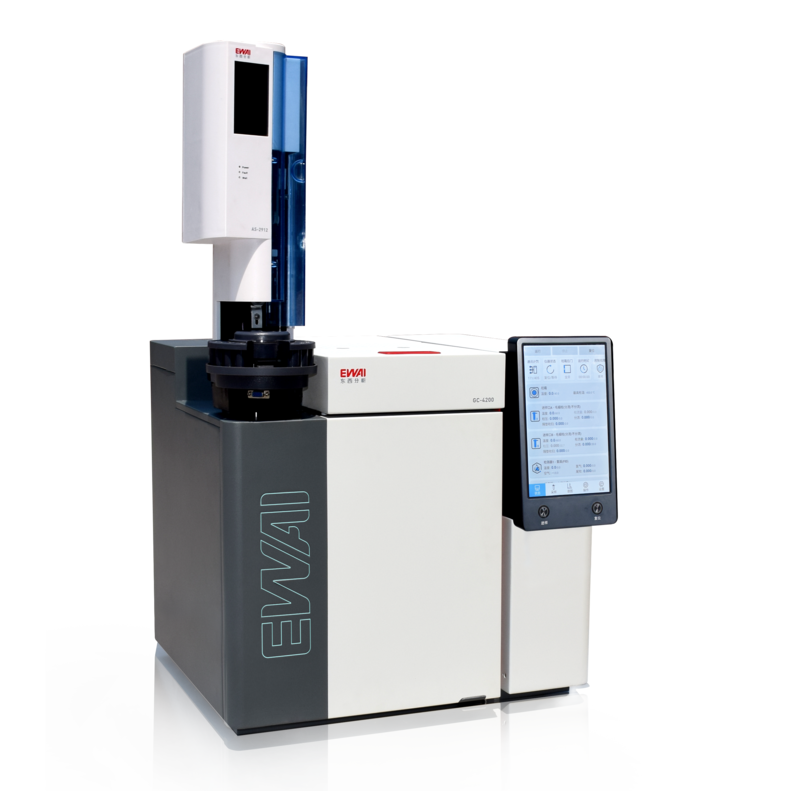
GC-4200 Gas Chromatograph
Model No.
: GC-4200
|
Brand: EWAI
Download Solution :
Determination of Organic Residues in Resins by Gas Chromatography
Online Preview
 Download Files
Previous:
No time